


Understanding the Kia EV6: Batteries, Motors, and Regeneration

Author: Coastal Kia
As electric vehicles (EVs) gain traction on the streets of Wilmington and nearby areas, many drivers are eager to understand how they work. At Coastal Kia, we’re proud to share our local expertise, helping you navigate the ins and outs of Kia EVs in a simple and straightforward way. In this guide, we’ll break down the essential components of Kia’s electric models, like the EV6, including batteries, motors, and regenerative braking. Our goal is to make this technology accessible, so you can feel confident about your driving choices in our coastal community.
How Does a Kia EV Battery Power Your Drive?
The battery is the core component of any Kia electric vehicle, acting like the fuel tank in a traditional car but instead storing electrical energy. This high-voltage lithium-ion battery pack is usually situated under the vehicle’s floor, providing a low center of gravity that enhances stability and handling—particularly beneficial for navigating the hilly or curvy roads around Wilmington, Leland, and Topsail Beach.
When you press the accelerator, the battery delivers a precise flow of direct current (DC) electricity to the motor, allowing for smooth and immediate acceleration. Charging this battery is straightforward; you can plug it into a home charger overnight or utilize public fast-charging stations conveniently located across Oak Island and nearby areas. Here’s why this matters for local drivers:
- Low Center of Gravity: Enhances stability, making your drive safer on winding roads.
- Stable Handling: Offers superior control on hilly terrains, perfect for local routes.
- Convenient Charging: Enjoy easy access to home and public charging options, fitting seamlessly into your daily routine.
- Instant Power: Experience immediate acceleration that improves your driving experience, especially in busy traffic.
- Energy Efficiency: Benefit from lower operating costs compared to traditional vehicles, ideal for frequent commuters.
For more insights into vehicle batteries and their performance, visit resources like Kelley Blue Book.
What Role Does the Electric Motor Play in a Kia EV?
The electric motor in a Kia EV is essential for converting electrical energy from the battery into the motion that propels your vehicle. With fewer moving parts than a traditional gasoline engine, Kia’s electric motors are designed to be simple, efficient, and durable, making them ideal for everyday driving in Wilmington and nearby areas.
When you press the accelerator, the inverter takes the battery’s direct current (DC) power and transforms it into alternating current (AC) power, which the motor requires. This AC power generates a rotating magnetic field within the motor, causing the rotor to spin and drive the vehicle’s wheels. What this means for Wilmington drivers is the advantage of instant torque, providing immediate acceleration when you need to merge onto College Road or navigate through the bustling streets of downtown Wilmington. Plus, the smooth and quiet operation enhances your driving experience, whether you’re cruising along Market Street or making your way to Airlie Gardens.
- Instant Torque: Feel the power right away, perfect for quick merges or sudden stops.
- Smooth Acceleration: Enjoy a seamless driving experience, especially in stop-and-go traffic.
- Quiet Operation: Experience a peaceful ride while navigating Wilmington’s scenic routes.
- Efficiency: Designed to maximize battery life, ensuring you can tackle daily commutes with ease.
- Durability: Built to last, giving you peace of mind for long-term ownership.
How Does Regenerative Braking Work to Extend Your Range?
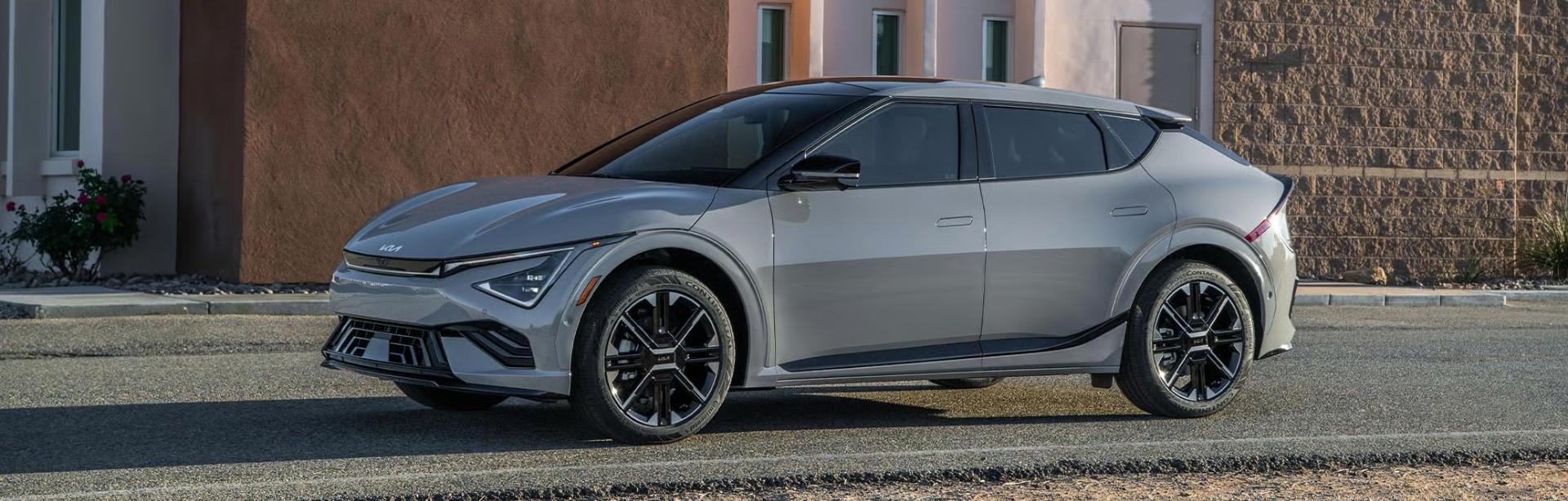
Regenerative braking is an innovative feature found in Kia electric vehicles that helps recapture energy typically lost during braking, effectively extending your driving range. This is particularly beneficial for Wilmington drivers, where hilly roads and stop-and-go traffic are common.
Here’s how it works: when you lift off the accelerator or press the brake pedal, the electric motor switches roles. Instead of consuming power to propel the vehicle, the momentum from the wheels turns the motor into a generator, converting kinetic energy back into electricity. This electricity is then sent back to the battery, providing a helpful boost. You’ll especially appreciate this technology while navigating the steep inclines near Airlie Gardens or during busy traffic on Market Street, as it allows the vehicle to recharge slightly with every slowdown.
- Stronger slowdown feel: You’ll notice a more pronounced deceleration when you ease off the accelerator.
- Range gains: Frequent use of regenerative braking can noticeably increase your driving range, especially beneficial on the scenic routes around Topsail Beach and Oak Island.
In addition to extending your range, regenerative braking also minimizes brake wear, which means fewer replacements and maintenance costs over time. This is a significant advantage for drivers who frequently stop and go in urban settings like Wilmington’s Riverwalk area. By leveraging this technology, Kia vehicles not only enhance your driving experience but also promote sustainability through energy efficiency.
For further insights into how this technology works and its benefits, check out Edmunds.
What Affects a Kia EV’s Battery Range and Performance?
Several factors can significantly influence how far your Kia EV can travel on a single charge and its overall performance. Understanding these elements can empower you to maximize your vehicle’s efficiency, especially for drivers in Wilmington and nearby areas like Leland and Oak Island.
Driving Style: Your driving habits play a crucial role in battery usage. Aggressive acceleration and high speeds, like those encountered on busy roads such as College Road (NC 132) or Market Street (US 17 Business), can drain the battery quicker. In contrast, smooth, steady driving, reminiscent of a leisurely trip along the Riverwalk, conserves energy and enhances range.
Terrain: The landscape you navigate affects energy consumption. For instance, driving through hilly areas in Leland demands more power than cruising along flat coastal roads. However, if you’re heading downhill, regenerative braking can help recapture some of that energy, providing a boost in range.
Temperature: Wilmington’s humid summers and mild winters can impact battery performance. Extreme heat can temporarily reduce your EV’s range, similar to how batteries behave in other devices. To counter this, utilize your vehicle’s pre-conditioning feature while plugged in. This can help maintain battery efficiency, especially during hot days or chilly mornings.
Cabin Comfort: Using climate control systems, like the heater or air conditioning, draws power from the battery. Fortunately, Kia EVs are equipped with efficient systems designed to limit this impact, allowing you to enjoy a comfortable ride without sacrificing range.
Regenerative Braking: Many Kia EVs, such as the Kia EV6, feature regenerative braking systems that recover energy while slowing down. This is particularly beneficial on routes with frequent stops, like those between historic districts and popular beaches, as it helps extend your driving range.
Weight Load: Carrying additional passengers or cargo can influence battery efficiency. For instance, when planning family trips to Airlie Gardens, consider how extra weight may affect your range. Driving lighter can lead to better performance and extended mileage.
Understanding these factors is key. With a bit of mindfulness about your driving habits and environment, you can effectively manage your Kia EV’s range and performance, making your journeys around Wilmington and beyond enjoyable and efficient.
How Do You Maintain a Kia EV?
Maintaining a Kia electric vehicle is typically simpler and more cost-effective than caring for a gas-powered car. With fewer moving parts and no oil changes to worry about, you’ll find that regular upkeep is straightforward.
What this means for Wilmington drivers is that you’ll focus on essential tasks like brake inspections, tire rotations, and fluid checks for both the cooling system and the battery. These checks are vital for ensuring optimal performance, especially when navigating busy routes like College Road (NC 132) or Oleander Drive (US 17/US 76). Plus, the battery and motor in your Kia EV are built for long-term durability, minimizing the need for frequent maintenance. For those looking for comprehensive information, the official U.S. Department of Energy website can provide additional guidance. And remember, certified technicians are always available to support you with specialized knowledge about your vehicle. For more on long-term reliability, you can explore Consumer Reports.
Frequently Asked Questions (FAQs)
Where can I charge a Kia EV around Wilmington and nearby cities?
Charging options for Kia EVs are expanding in Wilmington and surrounding areas. You can find public Level 2 and DC fast-charging stations at shopping centers and along major routes. Many drivers also choose to install a Level 2 charger at home for convenient overnight charging. For information on charging locations, visit the official Kia website.
How suitable are Kia EVs for local weather conditions?
Kia EVs are designed to perform well in various weather conditions. Features like efficient climate control help maintain cabin comfort in Wilmington’s humid summers and mild winters, while the low center of gravity enhances stability on wet roads. Pre-conditioning the battery while plugged in can optimize performance throughout the year.
How does the Kia EV warranty cover the high-voltage battery?
Kia offers a comprehensive warranty that includes coverage for the high-voltage battery. This typically protects against defects for a significant duration and mileage, providing peace of mind about your investment. For specific details, it’s best to consult official documentation or speak with a Kia representative.
What’s the difference between AC and DC charging for Kia EVs?
AC (Alternating Current) charging is commonly used for home charging (Level 1 and Level 2) and many public stations, while DC (Direct Current) fast charging is much quicker, allowing substantial battery range replenishment in under an hour. DC stations are typically located along major highways for long-distance travel.
What awards has Coastal Kia received for its service?
Coastal Kia has earned numerous accolades, including the prestigious Kia President’s Club award and recognition as a “Best Dealership to Work For.” These honors reflect the dealership’s commitment to quality service and customer satisfaction.
How does Coastal Kia engage with the community?
Coastal Kia is actively involved in local charities and community events, showcasing its dedication to being a trustworthy business. This engagement not only supports the community but also enhances the dealership’s reputation among local customers.
About Coastal Kia
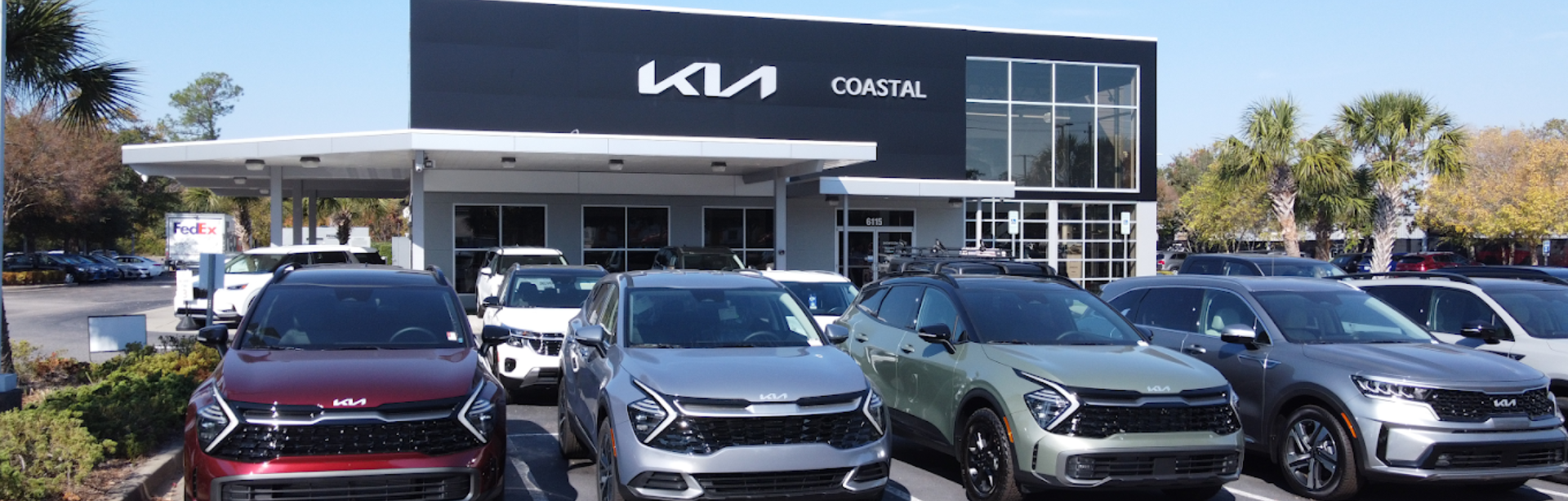
As a family-owned dealership, we at Coastal Kia are dedicated to serving our community with excellence. Our team has earned numerous awards, including the prestigious Kia President’s Club and being named a “Best Dealership to Work For,” which shows our commitment to quality. We offer many helpful services like home delivery and a pet-friendly showroom to make your experience easy and enjoyable. Our service department is consistently recognized as a Kia Service Elite winner, proving our expert ability to care for your vehicle. We are proud of our A+ rating from the BBB and our deep involvement in local charities, which reflect our dedication to being a business you can trust.
Related Articles:
Your Guide to Finding the Right Kia Dealership in Wilmington, NC

0 comment(s) so far on Understanding the Kia EV6: Batteries, Motors, and Regeneration