


Understanding the Kia EV3: Batteries, Motors, and Regenerative Systems

Author: Coastal Kia
As electric vehicles (EVs) gain popularity in Wilmington and its neighboring areas, many drivers are eager to understand how they operate. At Coastal Kia, we take pride in our local expertise and commitment to EV education. This guide will simplify the key components of Kia’s electric vehicles, like the EV3, breaking down the intricacies of batteries, motors, and regenerative braking in straightforward terms. Whether you’re navigating the bustling streets of downtown Wilmington or enjoying a scenic drive to Oak Island, we’re here to help you understand how these innovative vehicles can enhance your driving experience.
How Does a Kia EV Battery Power Your Drive?
The battery serves as the core energy source for any Kia electric vehicle, similar to how a gas tank fuels a traditional car—but instead, it stores electrical energy. This innovative lithium-ion battery pack is typically positioned under the vehicle’s floor, which lowers the center of gravity and enhances handling, especially on Wilmington’s hilly or curvy roads.
When you accelerate, the battery releases a steady stream of direct current (DC) electricity to the motor, delivering smooth and immediate power. This setup is particularly advantageous for navigating the scenic routes around Leland and Topsail Beach. Charging your Kia EV is hassle-free; you can plug it in at home overnight or utilize a public charging station, making it easy to stay powered up during your daily trips. For more information on electric vehicle batteries and their functionalities, check out resources like Kelley Blue Book.
- Low Center of Gravity: The battery’s placement contributes to stability, enhancing your driving experience on winding local roads.
- Quick Acceleration: Experience instant power delivery, perfect for merging onto busy highways like Market Street (US 17 Business).
- Convenient Charging: Easily charge at home or find public stations around Wilmington, ensuring your vehicle is ready for your next adventure.
- Efficient Energy Use: Kia’s advanced technology optimizes battery performance for longer driving ranges, ideal for both short commutes and longer trips.
- Weather Resilience: Kia EVs are designed to handle coastal weather conditions, giving you peace of mind during occasional storms.
- Community-Friendly: With a growing network of charging stations, staying powered up is easier than ever in Wilmington and surrounding areas.
What Role Does the Electric Motor Play in a Kia EV?
The electric motor in a Kia EV transforms electrical energy from the battery into the mechanical movement that drives the wheels. This process is straightforward, making the motor not only effective but also reliable for long-term use.
When you press the accelerator, the inverter takes the battery’s direct current (DC) and converts it into alternating current (AC) for the motor. This AC power generates a rotating magnetic field inside the motor, which spins the rotor and ultimately powers the vehicle’s axles. What does this mean for drivers around Wilmington? You get instant torque, translating into immediate acceleration—perfect for merging onto College Road or navigating the busy streets of downtown Wilmington. Plus, the quiet operation of the electric motor enhances your driving experience, whether you’re cruising down Airlie Road or making your way through the scenic routes near Oak Island.
Kia’s electric motors are designed with simplicity and efficiency in mind, ensuring a smooth ride while requiring minimal maintenance. For local drivers, this means fewer worries about wear and tear, especially given our coastal weather conditions that can sometimes be unpredictable. You can confidently enjoy the seamless power delivery and smooth handling typical of Kia’s electric lineup, making each trip, whether to Greenfield Lake Park or the beach, a pleasure.
How Does Regenerative Braking Work to Extend Your Range?
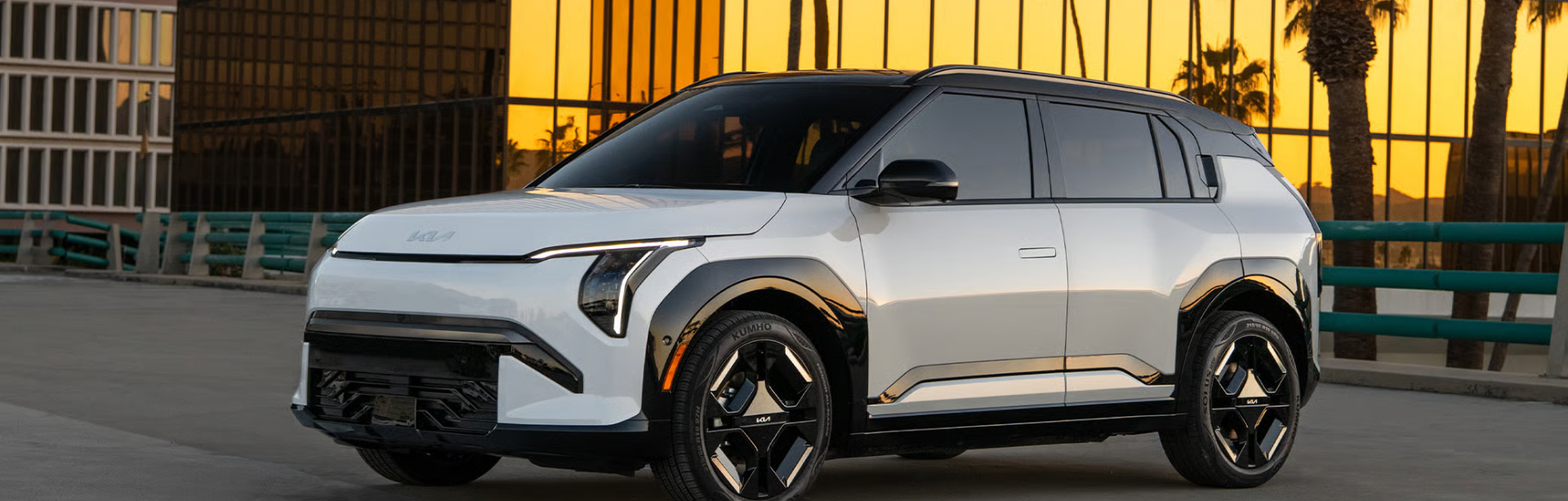
Regenerative braking is an innovative technology that helps your Kia electric vehicle recapture energy typically lost during braking, effectively extending your driving range. This feature is especially beneficial for Wilmington drivers who frequently navigate hilly routes or face stop-and-go traffic.
So, how does it work? When you lift your foot off the accelerator or press the brake pedal, the electric motor switches to generator mode. Instead of consuming electricity to power the wheels, the wheels’ momentum turns the motor, generating electricity that is sent back to the battery for recharging. This process is particularly useful on routes like College Road (NC 132) or Market Street (US 17 Business), where frequent braking is common. Not only does this enhance your vehicle’s efficiency, but it also reduces wear on your brake pads, meaning less frequent replacements.
- Stronger Slowdown Feel: You’ll notice a more pronounced deceleration when you lift off the accelerator.
- Range Gains: The energy recaptured during braking contributes to a longer driving range, especially beneficial for local trips to Oak Island or Leland.
These advantages—added range and reduced brake wear—make regenerative braking a valuable feature for Kia drivers in our coastal region. It’s a smart way to enhance your driving experience while navigating Wilmington’s unique terrain.
What Affects a Kia EV’s Battery Range and Performance?
Several factors can impact the range and performance of your Kia EV, making it essential to understand how these elements work together. For drivers in Wilmington, Leland, and the surrounding areas, managing these factors can lead to a more efficient driving experience.
Driving Style: Your driving habits can greatly influence energy consumption. For instance, aggressive acceleration and high speeds can drain the battery quicker, especially on busy routes like Market Street or College Road. Opting for a smooth, steady pace can help you conserve battery power and maximize your range.
Terrain: The landscape around Wilmington can vary significantly. Driving along flat coastal roads uses less energy compared to navigating hilly areas or bridges. However, Kia EVs benefit from regenerative braking on descents, allowing you to recover energy while enjoying a scenic drive over the Cape Fear River.
Temperature: North Carolina experiences hot, humid summers and mild winters, both of which can affect your Kia’s battery performance. For example, extremely high temperatures can temporarily reduce range, while cooler weather might lead to increased energy use for heating. Pre-conditioning your vehicle while it’s still plugged in can help mitigate these effects.
Cabin Comfort: Utilizing climate control systems like heating or air conditioning draws power from your battery. Fortunately, Kia’s modern EVs are designed with efficient climate control technology to minimize the impact on your range, allowing you to stay comfortable without sacrificing too much distance.
Accessory Use: Using devices like GPS, music players, or heated seats can also draw energy. For example, frequent use of a navigation system on longer trips to Topsail Beach may slightly affect your battery range, so plan accordingly for extended drives.
Load Weight: Carrying extra passengers or cargo can increase energy consumption. If you’re heading out for a family trip to Airlie Gardens, be mindful of how much weight you’re adding to your Kia. Keeping the load light can enhance overall efficiency.
How Do You Maintain a Kia EV?
Maintaining a Kia electric vehicle is notably simpler and more cost-effective than looking after a traditional gasoline car. With significantly fewer moving parts, there’s less to manage over time, which is great news for drivers around Wilmington.
The most striking difference is that you won’t need to worry about oil changes or spark plug replacements. Instead, essential maintenance tasks for your Kia EV include brake inspections, tire rotations, fluid and coolant checks, and general EV system assessments. These tasks help ensure your vehicle operates smoothly, especially when navigating the busy streets of Wilmington or during weekend trips to Oak Island. Kia’s battery and motor are built for long-term durability, requiring minimal upkeep, so you can drive with peace of mind. For further insights into vehicle maintenance schedules, the official U.S. Department of Energy website provides valuable resources. Plus, you can always turn to certified technicians for expert service tailored to your vehicle’s needs. For more information about long-term reliability, check out Consumer Reports.
Frequently Asked Questions (FAQs)
Where can I charge a Kia EV around Wilmington and nearby cities?
Charging stations for Kia EVs are becoming more accessible in Wilmington and the surrounding areas. You can find public Level 2 and DC fast-charging stations at shopping centers, public parking lots, and along main roads like Market Street (US-17 Business) and College Road (NC 132). Many Kia owners also choose to install a Level 2 charger at home for easy overnight charging. For more information, visit the official Kia website.
Are Kia EVs suitable for local weather conditions?
Yes, Kia EVs are engineered to perform well in various weather conditions. They include features like efficient climate control to maintain comfort during Wilmington’s hot summers and mild winters. The vehicles’ low center of gravity enhances stability on wet roads, and utilizing battery pre-conditioning while plugged in can maximize performance throughout the year.
How does the Kia EV warranty cover the high-voltage battery?
Kia offers a robust warranty for its electric vehicle components, including the high-voltage battery. This warranty typically covers the battery for defects over a significant period and mileage, ensuring peace of mind for your investment. For specific details, it’s best to consult the warranty documentation or a Kia dealership.
What is the difference between AC and DC charging for a Kia EV?
AC (Alternating Current) charging is the standard method for home charging (Level 1 and Level 2) and is common at many public stations. In contrast, DC (Direct Current) fast charging can quickly replenish a significant portion of the battery’s range in under an hour, making it ideal for long-distance travel and typically located along major highways. Understanding this difference is important for planning charging stops.
What community initiatives does Coastal Kia participate in?
Coastal Kia is actively involved in local charities, demonstrating its commitment to community support. The dealership engages in various initiatives that contribute to Wilmington’s vibrant community life, ensuring that the business gives back to the area it serves.
What awards has Coastal Kia received?
Coastal Kia has earned several prestigious awards, including the Kia President’s Club and being recognized as a “Best Dealership to Work For.” These accolades reflect the dealership’s dedication to quality and customer service, establishing it as a trusted presence in the Wilmington area.
About Coastal Kia
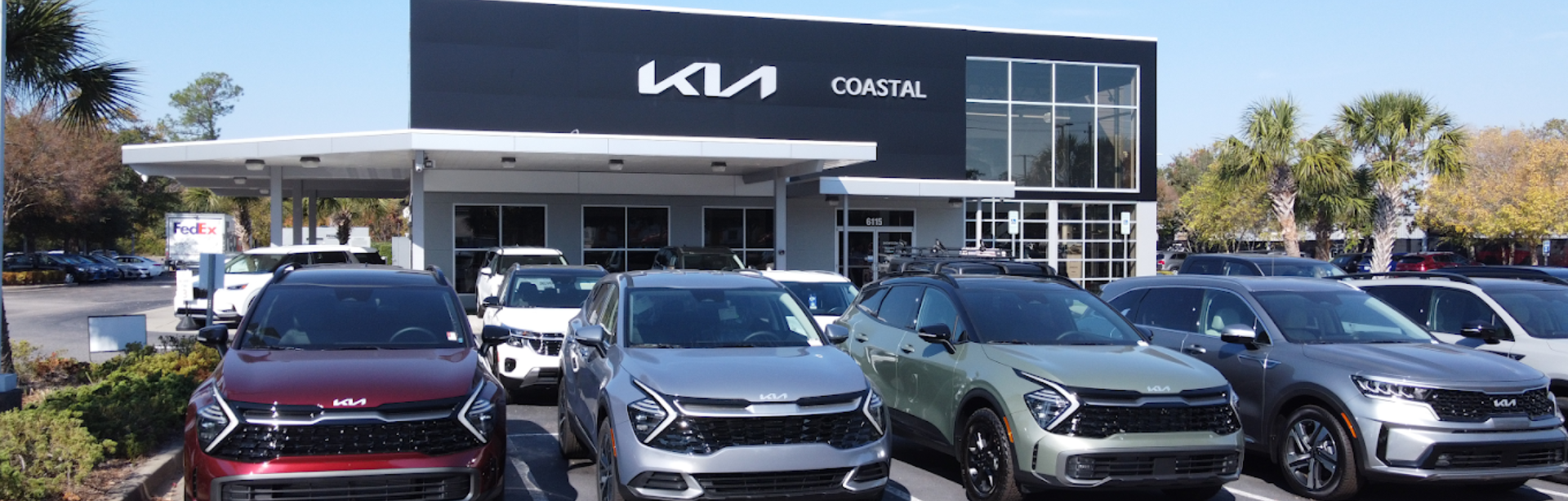
As a family-owned dealership, we at Coastal Kia are dedicated to serving our community with excellence. Our team has earned numerous awards, including the prestigious Kia President’s Club and being named a “Best Dealership to Work For,” which shows our commitment to quality. We offer many helpful services like home delivery and a pet-friendly showroom to make your experience easy and enjoyable. Our service department is consistently recognized as a Kia Service Elite winner, proving our expert ability to care for your vehicle. We are proud of our A+ rating from the BBB and our deep involvement in local charities, which reflect our dedication to being a business you can trust.
Related Articles:
Your Guide to Finding the Right Kia Dealership in Wilmington, NC

0 comment(s) so far on Understanding the Kia EV3: Batteries, Motors, and Regenerative Systems